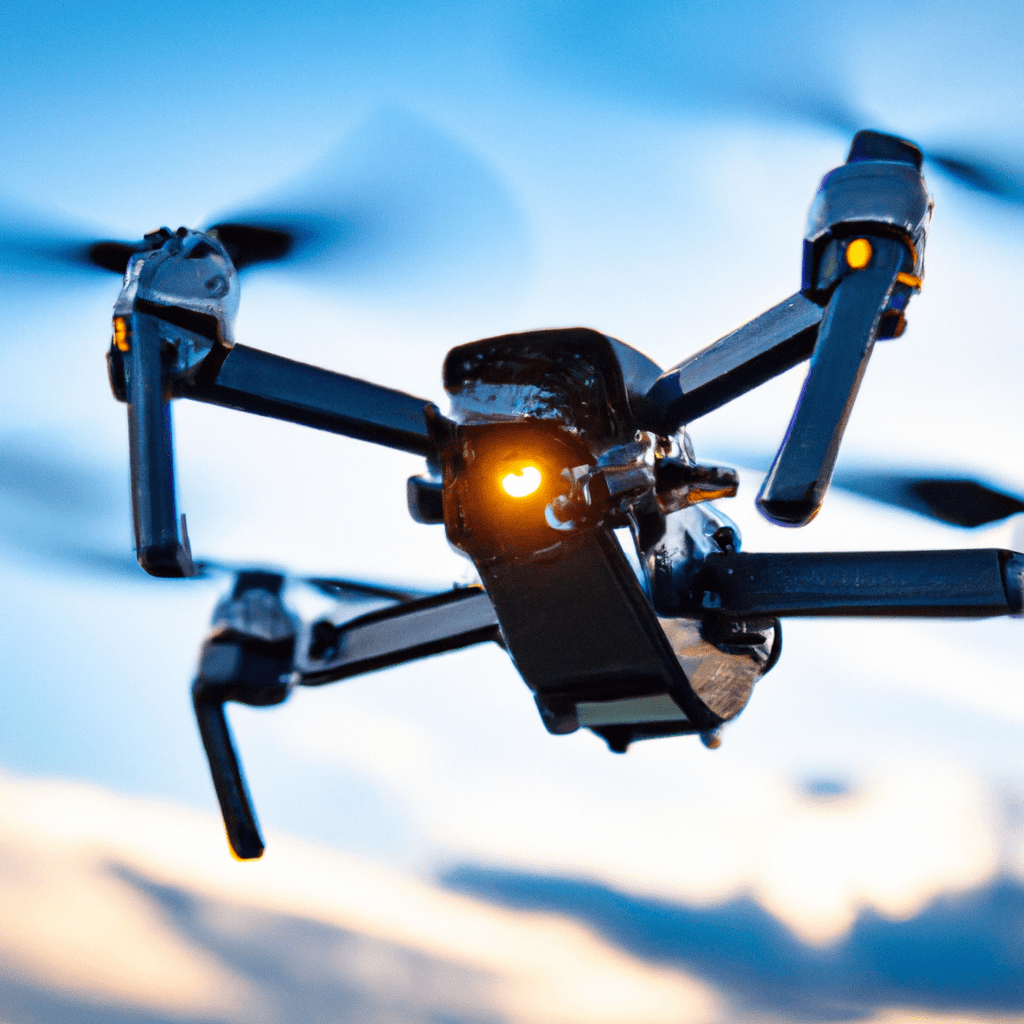
Imagine a world where people can effortlessly control their own flying machines, navigating the skies with ease and precision. This is the reality we now live in, thanks to the remarkable evolution of RC drones. Originally sought after as a mere hobby, these remote-controlled marvels have undergone a transformation, emerging as cutting-edge, high-tech devices that are revolutionizing industries ranging from photography to shipping. In this article, we will explore the fascinating journey of RC drones, tracing their humble beginnings and highlighting the incredible advancements that have propelled them to new heights. So buckle up and prepare to be amazed at how these aerial wonders have surpassed all expectations, captivating the world with their versatile capabilities.

The Early Days of RC Drones
Invention and Introduction of RC Drones
The concept of RC drones can be traced back to the early 20th century when Nikola Tesla remotely controlled a boat using radio waves. However, it wasn’t until the 1960s that the first commercially available RC drones were introduced. These early drones were primarily used for military purposes, with limited applications in the civilian market.
Early Uses and Popularity of RC Drones
During the 1970s and 1980s, RC drones gained popularity among hobbyists and enthusiasts. Their ability to fly without a pilot and capture aerial footage revolutionized the world of photography and videography. RC drones also became tools for aerial surveillance and mapping for various industries, including agriculture, real estate, and filmmaking.
Advancements in Technology
Improvements in Battery Technology
One of the significant advancements in RC drone technology was the improvement in battery technology. In the early days, drones had limited flight times, often lasting for just a few minutes. However, with the advent of lithium-polymer batteries and efficient power management systems, modern drones can now stay airborne for extended periods, providing longer flight times and increased capabilities.
Integration of GPS Technology
The integration of GPS technology allowed RC drones to have precise navigation and positioning capabilities. This innovation made it easier for pilots to operate drones and perform tasks such as mapping, surveying, and tracking. GPS-enabled drones also opened up new possibilities in the fields of search and rescue, wildlife monitoring, and environmental conservation.
Enhancements in Camera and Video Technologies
The advancements in camera and video technologies have revolutionized the way we capture and document our world from above. High-resolution cameras and stabilized gimbals mounted on RC drones allow for stunning aerial photography and videography. These advancements have not only enhanced the quality of visual content but also provided new perspectives and creative opportunities for photographers and filmmakers.
Racing Drones: A New Dimension
Emergence of Drone Racing as a Sport
Drone racing emerged as a thrilling and competitive sport that pushed the boundaries of what RC drones could do. The sport gained popularity in the early 2010s, with dedicated leagues and competitions attracting participants from all over the world. Drone racing events feature high-speed flight, obstacle courses, and challenging maneuvers, showcasing the agility and capabilities of racing drones.
Custom-Built Racing Drones
To meet the demands of competitive racing, enthusiasts began customizing and building their own racing drones. These custom-built drones are designed for speed, agility, and durability. From lightweight frames to powerful motors and specialized racing propellers, every component is carefully selected to maximize performance. This DIY culture has fostered innovation and experimentation, pushing the boundaries of what is possible in drone racing.
Development of Racing Drone Leagues
As the popularity of drone racing grew, professional racing leagues and organizations emerged. These leagues, such as the Drone Racing League (DRL) and the International Drone Racing Association (IDRA), organized events that showcased the skills and talents of top drone pilots. The development of racing drone leagues has provided a platform for competition, entertainment, and the advancement of racing drone technology.
Commercial Applications of RC Drones
Aerial Photography and Videography
The application of RC drones in aerial photography and videography has transformed the way professionals capture images and videos. Drones equipped with high-resolution cameras and stabilized gimbals can capture breathtaking aerial shots that were once only possible with expensive helicopters or cranes. This has opened up new opportunities for photographers, filmmakers, and content creators to capture unique perspectives and create visually stunning content.
Delivery and Logistics
One of the most promising applications of RC drones is in the field of delivery and logistics. Companies like Amazon and UPS have been exploring the use of drones to deliver packages efficiently and quickly. With advancements in drone technology and regulatory frameworks, the concept of drones delivering goods directly to people’s doorsteps is becoming a reality. This could revolutionize the logistics industry, making deliveries faster, cost-effective, and environmentally friendly.
Agriculture and Crop Monitoring
The agricultural industry has embraced the use of RC drones for crop monitoring and management. Drones equipped with specialized sensors and cameras can provide valuable data about crop health, growth patterns, and irrigation needs. This information enables farmers to make informed decisions, optimize resources, and improve crop yield. RC drones have become indispensable tools for precision agriculture, helping farmers increase productivity and reduce environmental impact.

Military and Defense Applications
Surveillance and Reconnaissance
The military and defense sector has been at the forefront of utilizing RC drones for surveillance and reconnaissance purposes. Drones equipped with advanced cameras and sensors can be deployed to gather critical intelligence, monitor enemy movements, and provide situational awareness to military personnel. This technology has proven invaluable in modern warfare, allowing for safer and more effective operations.
Detection of Threats
RC drones equipped with specialized sensors and detection systems have become essential tools in detecting and countering various threats. These drones can detect explosives, chemical agents, and other hazardous substances, providing a safer approach to reconnaissance and counter-terrorism operations. The ability to remotely deploy drones to assess potential threats minimizes risks to personnel and enhances operational efficiency.
Border and Coastline Patrol
RC drones have found applications in border patrol and coastal surveillance, where their aerial capabilities and range are essential for effective monitoring. Drones equipped with thermal cameras and other advanced sensors can detect and track illegal border crossings, smuggling activities, and suspicious maritime vessels. This technology enhances border security, facilitates search and rescue operations, and helps prevent illicit activities.
Integration of AI and Autonomous Features
AI-Based Object Detection and Avoidance
The integration of artificial intelligence (AI) systems in RC drones has transformed their capabilities in detecting and avoiding obstacles. AI algorithms enable drones to recognize and classify objects in real-time, allowing for precise object detection and avoidance during flight. This technology is crucial for safe operations, especially in crowded environments or complex flying conditions.
Autonomous Navigation and Flight Modes
The development of autonomous navigation and flight modes has enabled drones to fly pre-defined routes, follow moving targets, and perform complex flight maneuvers without direct human control. These autonomous features rely on GPS, computer vision, and AI algorithms to navigate and make informed decisions during flight. Autonomous flight modes provide convenience, efficiency, and enable drones to perform tasks more effectively in various industries.
Regulations and Safety Measures
Introduction of Drone Regulations
With the rapid increase in drone usage, governments worldwide have introduced regulations to ensure safe and responsible operation. These regulations govern aspects such as drone registration, pilot training and certification, flight restrictions, and privacy concerns. The introduction of drone regulations aims to strike a balance between allowing the benefits of drone technology and addressing potential safety and security risks.
Implementation of No-Fly Zones
To prevent unauthorized or irresponsible drone operations, authorities have designated no-fly zones in sensitive areas, such as airports, government facilities, and densely populated areas. These no-fly zones are enforced through geo-fencing technology, which prevents drones from entering restricted airspace. The implementation of no-fly zones enhances safety and security by mitigating the risks associated with drone operations in critical locations.
Geofencing and Remote ID Systems
Geofencing technology allows for the creation of virtual boundaries that restrict drone flight in certain areas or at specific altitudes. This technology, coupled with the implementation of remote identification (Remote ID) systems, enables authorities to identify and monitor drone operations remotely. Geofencing and Remote ID systems play a vital role in ensuring accountability and enhancing safety in the rapidly expanding drone ecosystem.
Challenges and Future Prospects
Battery Life and Flight Time
While significant improvements have been made in battery technology, extending battery life and increasing flight time remains a challenge. The limited flight time poses restrictions on the range and endurance of drones, especially for applications such as long-distance deliveries or aerial inspections. Researchers and manufacturers are actively seeking solutions to develop more efficient and long-lasting batteries to overcome this limitation.
Detection and Avoidance of Other Aircraft
As the number of drones in the skies increases, ensuring the safe integration of drones with manned aircraft is crucial. Collision avoidance systems and technologies that enable drones to detect and avoid other aircraft are being developed and implemented. These advancements aim to enhance the safety of both the drone operators and the general public, facilitating the seamless coexistence of manned and unmanned aviation.
Speed and Range Improvements
Advancements in propulsion systems and aerodynamics are pushing the boundaries of drone speed and range. Increasing the speed and range of drones allows for more efficient and time-sensitive operations, such as aerial surveys or emergency response. Furthermore, extended range capabilities for delivery drones open up possibilities for rural and remote areas that may have limited access to goods and services.
Technological Innovations in Drone Components
Lightweight and Durable Materials
Innovations in lightweight and durable materials have revolutionized drone design and construction. Carbon fiber composites, lightweight alloys, and advanced polymers have significantly reduced the weight of drone components while maintaining structural integrity. These materials enable drones to carry heavier payloads, achieve higher speeds, and withstand harsh environments.
Advanced Propulsion Systems
Propulsion systems play a critical role in the performance and maneuverability of drones. Advances in electric propulsion systems, including brushless motors and efficient propeller designs, have significantly improved drone performance. These systems provide higher thrust-to-weight ratios, better energy efficiency, and increased control, allowing for more agile maneuvers and smoother flight experiences.
Miniaturization of Electronics
The miniaturization of electronics has led to smaller and more powerful components in RC drones. Smaller and lighter flight controllers, sensors, and wireless communication modules have made it possible to design compact drones without compromising functionality. This miniaturization enables drones to be more portable, enhances maneuverability, and provides opportunities for specialized applications in narrow or confined spaces.
Impacts of RC Drones on Society
Positive Societal Impacts
RC drones have brought numerous positive impacts to society. In disaster management and search and rescue operations, drones provide valuable aerial perspectives, aiding in locating survivors, accessing hard-to-reach areas, and assessing damage. Drones also support environmental conservation efforts by monitoring wildlife populations, detecting deforestation, and conducting aerial surveys. Additionally, drones have facilitated advancements in infrastructure inspection, reducing the risks associated with manual inspections and improving maintenance efficiency.
Negative Societal Impacts
While RC drones have many positive impacts, they also present certain negative societal impacts. Privacy concerns arise as drones equipped with cameras can potentially invade personal privacy or record sensitive information without consent. Drone misuse, such as unauthorized surveillance or reckless flying, poses safety risks and may lead to incidents or accidents. Addressing these negative impacts requires a balance between enabling drone innovation and implementing appropriate regulations and education initiatives.
Ethical Considerations
The rise of RC drones has raised ethical considerations related to their use. These considerations include issues such as privacy, surveillance, data security, and the potential use of drones for malicious purposes. It is essential for users, manufacturers, and regulatory bodies to address these ethical concerns proactively, ensuring that the benefits of drone technology are harnessed responsibly and ethically.
In conclusion, the evolution of RC drones has transformed them from mere hobbyist toys to sophisticated high-tech devices with numerous applications in various sectors. Advancements in technology, increased capabilities, and the emergence of drone racing and commercial applications have pushed the boundaries of what is possible with RC drones. While challenges and ethical considerations remain, the future prospects of drone technology hold immense promise for a wide range of industries and society as a whole.